

Most foam dressings stay on for 3 to 7 days. The exact window depends on the product and the wound itself. Two factors matter most: how much drainage the wound produces and what the manufacturer's instructions say. You can manage this judgment with a few simple guidelines.
Drainage level tells you a lot. A heavily draining wound will soak a dressing faster than a dry one. Product design matters too, since thicker foams hold more fluid before they need swapping. Watch for practical signs that signal a change is due. Waiting too long carries real risks, and this article explains both.
Most foam dressings stay on for 3 to 7 days, but check the product label for exact instructions.
Change the dressing sooner if it leaks, smells bad, causes pain, or starts to lift.
Leaving a soaked dressing on too long can damage skin and slow healing.
Set a regular schedule for changes and check the dressing daily.
Call your healthcare provider if you see signs of infection or the wound gets worse.
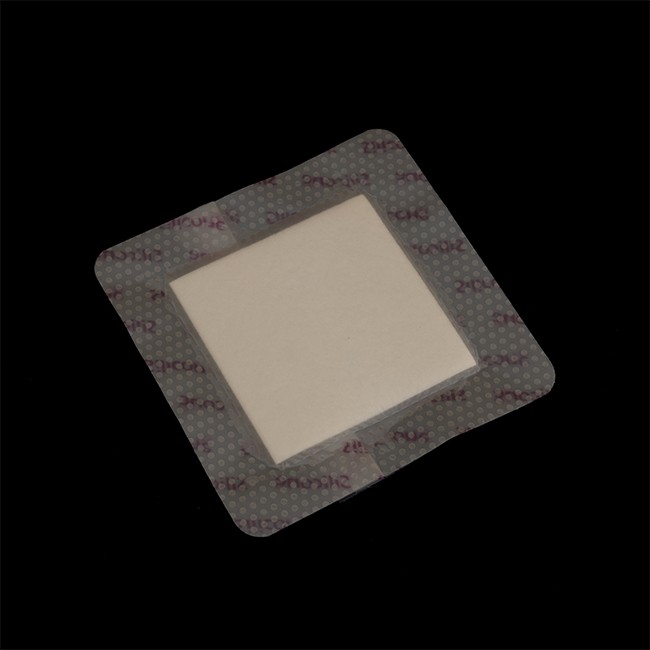
Most patients can safely leave foam dressings on for 3 to 7 days. That range covers a wide variety of products and wound conditions. Your actual wear time will land somewhere inside it based on two main forces: the wound itself and the dressing you choose.
Drainage level is the single biggest driver of wear time. A wound that produces a lot of fluid will saturate a dressing faster than a dry one. Foam dressings are built for wounds with moderate to heavy drainage. Their greater absorptive capacity reduces strike-through and leakage. That absorption can extend wear time by cutting down the number of changes you need.
When drainage is controlled, plan to change most foam dressings every 2 to 5 days. Some products last 3 to 5 days. Silver dressings may stay on for 1 to 2 days. Superabsorbent versions typically need changing every 1 to 3 days, depending on exudate volume and how saturated the product becomes. The table below shows how exudate level pairs with dressing type and change frequency.
Exudate level | Dressing type | Change frequency (wear time) |
|---|---|---|
Light to moderate | Thin foam | Every 3–5 days |
Moderate to heavy | Foam (standard) | Every 1–3 days |
Heavy with odor concerns | Silver-impregnated foam (or alginate) | Every 1–2 days |
Wound type also plays a role. Acute wounds often need protection and observation. Chronic wounds, such as diabetic foot ulcers and pressure injuries, need ongoing moisture management. That continued management affects how often you change the dressing.
Foam dressings often stay in place longer than simple gauze. The reason is simple: foam holds more drainage. Gauze saturates quickly and needs frequent swapping. A foam dressing traps fluid in its core and keeps the wound bed covered for days rather than hours.
Product design varies widely, so read the label. General guidance puts foam wear time at 3 to 7 days, but the real duration depends on wound severity, clinician judgment, and the manufacturer's own instructions. Some products allow longer wear. For example, the maker of ALLEVYN COMPLETE CARE states the dressing may be lifted and repositioned for skin inspection and can remain in place for up to 7 days. Other products specify shorter intervals. Always follow the instructions that come with your specific foam dressing. They override any general rule of thumb.
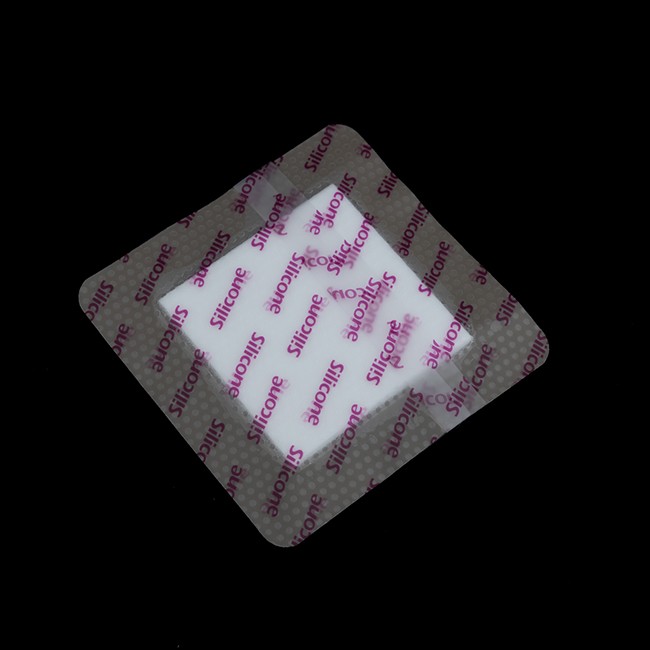
Your change schedule is a guide, not a lock. A dressing that leaks, lifts, or collects dirt needs replacing right away. Leaving it in place gives bacteria a place to grow and slows healing. Check the dressing at least once a day, and look at the skin around it while you are there.
Strike-through means drainage has soaked all the way through the outer layer. You can spot it as a wet patch on the dressing surface, a damp feeling under your fingers, or a stain on clothing and bedding. Any of these signals means the dressing has reached its limit. Change it, even if the calendar says otherwise.
Watch for these cues during your daily check:
The outer layer feels wet to the touch.
Drainage reaches the edge of the dressing.
Fluid shows on clothing or sheets.
The dressing slips or lifts at a corner.
Drainage suddenly increases.
If only an outer wrap is wet, check the primary dressing underneath. Swapping just the top layer often fails to solve the problem. A heavily draining wound needs a fresh dressing whenever it becomes saturated, leaks, loosens, or irritates the skin. Your clinician's instructions set the exact timing for your case.
Odor and pain are practical cues you can track at home. A smell that grows stronger than usual between changes deserves attention. The table below pairs common clues with what they may mean.
Complication clue | What it may mean |
|---|---|
Persistent malodor | Infection, retained material, or inadequate debridement |
Rising pain at therapy site | Pressure intolerance, seal problem, infection, or contact trauma |
A foul odor that develops or worsens between changes warrants urgent professional evaluation. Pain that seems out of proportion to how the wound looks is also a warning sign, especially for diabetic patients. Change the foam dressing sooner when pain, odor, or drainage suddenly increases. Do the same when the surrounding skin turns wet, white, or irritated.
Lifting edges belong on this list too. An edge that curls up lets air and bacteria reach the wound bed. Smooth the edge back down once. If it will not stay, replace the dressing.
Left too long, a soaked dressing damages the skin it touches. You may see white or pale softened skin, wrinkles, soreness or burning, redness, or fragile skin near the wound edge. These signs come from excess moisture exposure. They can delay healing and add leakage, odor, and distress to the picture. Visible strike-through always means a change is due, no matter what the schedule says.
A wound that looks better each day can tempt you to stretch the change interval. A clean-looking dressing does not automatically mean extended wear is safe. The dressing may look fine on the outside while the wound bed and surrounding skin tell a different story.
Judge the wound, not just the dressing. Check the periwound skin at every change. Early and often subtle periwound changes — increased shininess, pallor, altered skin turgor, or a softened texture — may signal the onset of maceration before visible skin breakdown occurs. If the border looks healthy and the dressing stays dry, your current schedule is probably working. Keep following it rather than pushing past it.
A soaked foam dressing left in place can macerate the surrounding skin. Trapped moisture softens healthy tissue at the wound border. That skin then breaks down more easily, and healing slows.
Watch for these signs of maceration:
Skin that looks white or gray compared with your natural tone
A wrinkly, prune-like surface
A soggy or wet feel to the touch
Tenderness, stinging, burning, itching, or a bad smell in severe cases
Other risks build as wear time stretches. The table below pairs each risk with its warning sign.
Risk of extending wear time | Warning sign or mechanism |
|---|---|
Bacterial infection via saturated dressing | Fluid strikes through to the outer layer, and the dressing acts as a wick that carries bacteria into the wound |
Drainage leaking ahead of schedule | Soaking through before the next planned change means absorbency does not match drainage |
Tissue damage from adherence | A dressing that sticks or tugs on removal means the wound dried out between changes |
Infection progression | Strong odor, green or thick drainage, spreading redness, new pain, warmth, or low-grade fever |
Two or more of these signs together warrant a call to your clinician. Do not extend wear time to save supplies when the wound is telling you otherwise.
A written schedule removes the guesswork. Pick a fixed day and time for each change, then note it on a calendar or phone reminder. Pair the reminder with your daily dressing check. That habit helps you catch strike-through or lifting edges before the next planned swap.
Your wound's drainage sets the starting interval. Use this guide as a reference point, then adjust with your clinician.
Wound Condition / Dressing Type | Recommended Change Frequency |
|---|---|
Chronic wounds (e.g., pressure ulcers, diabetic foot ulcers) | Every 1–3 days |
Wounds with moderate exudate | Every 1–2 days |
Foam dressings (moderate to high exudate) | Left in place 1–3 days, depending on exudate level |
High absorbency gives foam dressings real flexibility here. As one clinical summary puts it:
Due to their high absorbency, foam dressings can often remain in place for several days (subject to clinical assessment), improving patient compliance and care efficiency.
Product choice fits into this schedule too. Operson Wound Dressing is one option designed for exuding wounds. Its superabsorbent, gel-forming core locks in exudate, and a low-adherent contact layer peels away without tugging the wound bed. A hypoallergenic adhesive holds it in place, and sizes run from 5x7.5cm up to 10x35cm. The product carries EU MDR certification. It suits low-exudate chronic wounds, skin grafts, minor burns, post-operative wounds, and superficial wounds. Compare it with other foams and pick what matches your wound.
Some situations need professional input rather than a schedule tweak. Call your provider if drainage suddenly increases, if odor or pain worsens between changes, or if the skin around the wound turns white, soggy, or irritated. These signs point to maceration or possible infection.
Chronic and slow-healing wounds deserve extra caution. Confirm your change interval with your healthcare provider, especially when the wound has stalled. A clinician can reassess drainage, check for infection, and adjust the plan. Follow that advice over any general guideline, and your wound has the best chance to heal.
Most foam dressings last 3 to 7 days. When drainage stays controlled, 2 to 5 days is the common window. Check the dressing daily for leakage, odor, discomfort, and lifting edges. Any of these cues means you change it right away.
A soaked dressing left in place risks maceration and slower healing. A wound that looks better does not automatically justify extended wear. Follow your healthcare provider's advice for the best healing outcome.
Most foam dressings hold up to a brief shower. Check the product label first, since not every foam is water-resistant. Pat the dressing dry afterward and look for lifting edges. A dressing that loosens in the shower needs replacing.
A new or worsening odor between changes deserves attention. Remove the dressing and check the wound bed. Call your provider if the smell persists, if drainage looks thick or green, or if redness spreads. These signs may point to infection.
Do not extend wear time past the point of saturation. A soaked dressing macerates the skin around the wound and slows healing. Follow your change schedule instead. Operson Wound Dressing comes in sizes from 5x7.5cm up to 10x35cm, so you can match the pad to the wound.
No. Wear time varies by product design and drainage level. Standard foams often last 1 to 3 days when drainage stays controlled. Silver versions may stay on 1 to 2 days. Always follow the manufacturer's instructions for your specific dressing.
You do not need to set an alarm for a routine change. A dressing that strikes through at night will still be there in the morning. Change it as soon as you notice. Call your provider if overnight leakage happens often, since it may mean your dressing no longer matches your drainage.

Whatsapp: +86-13506126583
E-mail: davylee@operson.cn
tommy@operson.cn
ADD: No. 1 Qingyun Road, Niutang Town, Wujin District, Changzhou City, Jiangsu Province, China


