

You should change your wound dressing based on the wound’s type, severity, and the material used. For example, high exudate wounds often need daily changes, while clean surgical wounds may require dressing changes every 3 to 5 days.
Wound Type | Change Frequency |
|---|---|
Clean Surgical Wounds | Every 3 - 5 days |
Moderate Exudate Wounds | Every 2 - 3 days |
Highly Exudative Wounds | Daily or more frequent initially |
Advanced options, like Operson Wound Dressing, help you heal comfortably and reduce pain during changes. Moisture-sensing dressings can lower change frequency and support healing. Proper care routines keep your wound safe and speed up recovery.
Change your wound dressing based on the type and severity of the wound. For example, clean surgical wounds need changes every 3 to 5 days, while highly exudative wounds may require daily changes.
Use advanced dressings like Operson to reduce pain and improve comfort during changes. These dressings help maintain moisture and can lower the frequency of changes needed.
Always watch for signs that indicate a dressing needs changing, such as wetness, odor, or loosening. Prompt changes help prevent infection and support faster healing.
You need to consider the type of wound when deciding how often to change a wound dressing.
Acute wounds benefit from an intermediate frequency of dressing changes, while diabetic wounds require a high frequency to promote healing. This is due to the need for aggressive and frequent dressing changes in diabetic wounds to break the bacteria-inflammation cycle, whereas acute wounds need less frequent changes to minimize stress and promote a low-stress reparative environment.
The location of your wound can affect how often you change the dressing. Wounds on joints or areas that move a lot may need more frequent changes. If your wound is in a place that gets dirty easily, you should check the dressing often. Wounds on the feet or hands may require extra care because these areas face more exposure.
The severity of your wound plays a big role in dressing change intervals.
Here is a table showing how severity affects change frequency:
Wound Type | Dressing Change Interval |
|---|---|
Clean surgical wounds (low exudate) | Every 3 - 5 days |
Moderate exudate | Every 2 - 3 days |
Highly exudative/infected wounds | Daily or more frequently initially, decreasing as the wound improves |
High levels of exudate mean you need to change the wound dressing more often to prevent saturation and contamination.
The material you use for your wound dressing can change how often you need to replace it.
Hydrogel dressings donate moisture to dry wounds and help remove dead tissue.
Hydrocolloid dressings form a gel over the wound and are shower-safe.
Alginate dressings absorb a lot of exudate and work well for high-drainage wounds.
Collagen dressings stimulate new tissue formation and suit chronic wounds.
Advanced dressings like Operson Wound Dressing absorb exudate, lock moisture, and provide comfort, which can help you change dressings less often while supporting healing.
You should change the dressing on minor cuts based on how much fluid the wound produces and how the dressing looks. If the dressing becomes wet, loose, or dirty, you need to replace it. Most minor cuts require dressing changes every 1 to 7 days. You can use advanced dressings like Operson Wound Dressing for better comfort and healing. These dressings keep the wound moist, reduce infection risk, and help the skin heal faster. Operson’s low adherent layer makes removal gentle, which is important for sensitive skin.
Change the dressing when it is saturated or loose.
Use a moist wound dressing for faster healing.
Choose a dressing that fits the wound size and shape.
Tip: Advanced dressings like Operson help you care for minor wounds with less pain and more comfort.
You need to follow strict guidelines for surgical wounds. Always use clean hands and an aseptic technique. Cover the incision fully with a wound dressing that does not pull on the skin. Check the wound often for signs of infection, but avoid changing the dressing too much if it stays clean and dry. Operson Wound Dressing offers a hypoallergenic adhesive, which keeps the dressing secure and comfortable. The breathable material helps air reach the wound, lowering infection risk.
Benefit | Explanation |
|---|---|
Minimizes skin irritation | Hypoallergenic adhesives reduce discomfort for patients, especially those with sensitive skin. |
Allows for breathability | These adhesives promote air circulation, which is essential for reducing infection risk and speeding up healing. |
Facilitates easier removal | Designed for gentle removal, they minimize pain and skin damage during dressing changes, enhancing long-term comfort. |
Note: You should educate yourself about signs of infection and proper wound care. If the dressing stays intact and the wound is not draining much, you can wait 3 to 5 days before changing it.
Chronic wounds, such as diabetic ulcers, need frequent evaluation. You should document the wound’s size, drainage, and pain. If the wound does not shrink by at least 50% in four weeks, you may need to change your treatment plan. Advanced dressings like Operson help reduce pain and speed up healing. They also lower the number of dressing changes needed, which saves time and money.
Recommendation | Principle |
|---|---|
Document wound characteristics and healing rate | Frequent evaluation helps detect infection and guide therapy. |
Reassess if <50% wound size reduction at 4 weeks | Early reassessment improves healing outcomes. |
Advanced dressings minimize pain.
They accelerate healing.
You change dressings less often, which improves satisfaction.
Efficient care reduces dressing change frequency.
You use fewer antibiotics.
This lowers costs and saves labor.
Tip: Choose a wound dressing that absorbs fluid and keeps the wound moist. Operson’s gel-forming core locks in moisture and prevents skin breakdown.
Burns need special attention. You should use a wound dressing that absorbs fluid and protects the skin. Change the dressing when it becomes wet, dirty, or loose. For minor burns, you may change the dressing every 1 to 3 days. Operson Wound Dressing works well for burns because it is soft, breathable, and fits the body’s curves. The low adherent layer makes removal less painful, which is important for burn care.
Use a dressing that absorbs exudate and keeps the wound moist.
Change the dressing when it is saturated or loose.
Choose a dressing with a hypoallergenic adhesive for sensitive skin.
Note: Advanced dressings like Operson help burns heal faster and make dressing changes easier.
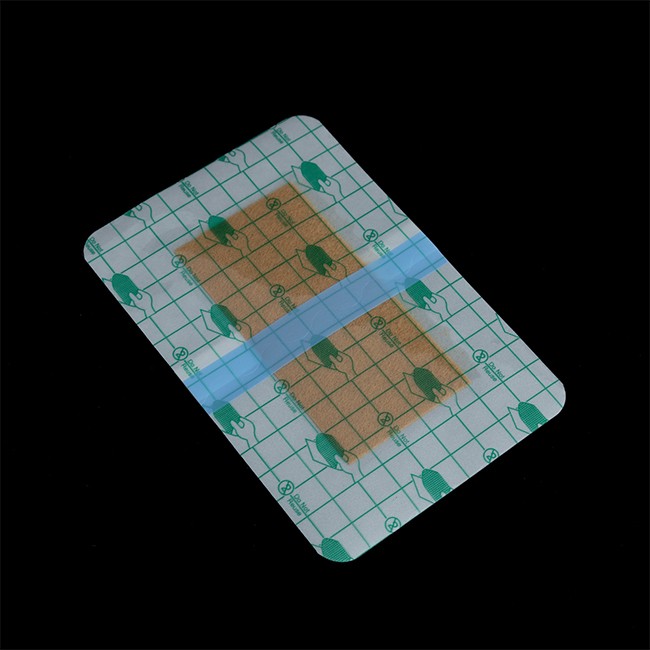
You should check your wound dressing for signs of wetness. When seepage reaches the edge of the dressing, it signals that the dressing cannot absorb any more fluid. Excessive wetness increases the risk of infection. High-quality dressings absorb extra moisture and protect your skin. If you notice that the dressing feels damp or saturated, you need to change it to keep the wound safe.
Tip: Moisture helps healing, but too much can cause problems. Always replace a wet dressing quickly.
A strange smell coming from your wound dressing can mean trouble. Foul odor or purulent discharge often points to infection or delayed healing. You may also notice pain that does not match the wound’s size or feel tired and weak. If you detect an unusual odor, you should change the dressing and check the wound for complications.
Foul odor
Delayed healing
Unexpected pain
Feeling unwell
When the edges of your dressing curl up or become loose, the wound loses protection. Loose dressings let bacteria and dirt reach the wound. You should replace the dressing if it does not stick well or if the edges lift away from your skin.
Curled edges
Dressing slips off
Reduced coverage
Pain, swelling, or redness around the wound are warning signs. These symptoms may mean infection or tissue damage. If you see purulent drainage or notice fever, chills, or tissue loss, you must change the dressing and seek medical advice.
Note: Always watch for pain or redness. These signs show your wound needs attention.
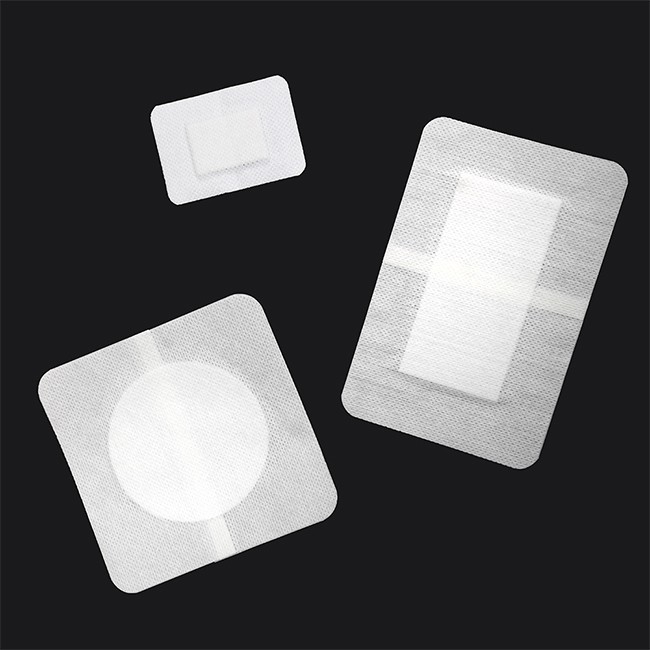
Changing your wound dressing helps protect your skin and supports healing. You can follow these steps to make the process safe and comfortable.
You need to collect all the supplies before you start. This helps you avoid interruptions and keeps the process clean.
Disposable gloves
Sterile saline solution
Gauze pads
Advanced moisture-balancing dressings (such as Operson Wound Dressing)
Skin barrier cream
Antimicrobial dressings
Waterproof plastic bag for disposal
You may also need foam, transparent film, hydrocolloid, or hydrogel dressings, depending on your wound type. Operson Wound Dressing works well for many wounds because it is soft, breathable, and fits different shapes.
Tip: Always check that your supplies are clean and ready before you begin.
You must wash your hands before touching the wound or supplies. Use soap and water or an alcohol-based cleanser. Clean hands prevent germs from entering the wound and lower the risk of infection.
Wash your hands for at least 20 seconds.
Dry your hands with a clean towel.
Put on disposable gloves.
Research shows that proper handwashing reduces infection risk, especially when you handle wounds or bodily fluids.
You need to remove the old dressing gently. Start by loosening the tape or adhesive. If you use Operson Wound Dressing, the low adherent layer makes removal less painful and protects your skin.
Peel the dressing slowly from the edges.
Lift the dressing away from the wound.
Throw the old dressing in a waterproof plastic bag.
Wash your hands again after removal.
Note: If the dressing sticks, moisten it with saline to make removal easier.
Cleaning the wound keeps it free from dirt and bacteria. You should follow these steps:
Irrigate the wound with sterile saline until it looks clean.
If you see particles, scrub gently with a fine-pore sponge.
Clean the skin around the wound with mild soap and water. Avoid getting soap inside the wound.
Pat the area dry with sterile gauze.
Apply a thin layer of antibiotic ointment if your provider recommends it.
Breathable and comfortable dressings, like Operson, protect sensitive skin and help maintain moisture balance. This supports healing and reduces irritation.
Tip: Do not use hydrogen peroxide or rubbing alcohol inside the wound. These can damage healthy tissue.
You need to cover the wound with a new dressing. Choose a dressing that fits the wound size and shape. Operson Wound Dressing offers a hypoallergenic adhesive, which keeps the dressing secure and comfortable.
Place the dressing gently over the wound.
Smooth the edges to ensure a snug fit.
Press lightly to secure the adhesive.
Make sure the dressing covers the wound completely.
Breathable dressings allow moisture to escape while keeping the wound hydrated. This helps sensitive skin and supports faster healing.
Callout: Operson Wound Dressing’s low adherent layer makes changes easier and less painful.
You must dispose of used dressings and supplies safely. This prevents the spread of germs and keeps your environment clean.
Guideline | Description |
|---|---|
Segregation at the point of use | Place saturated dressings in biohazard containers or waterproof bags. |
PPE and environmental controls | Use gloves and disinfect surfaces after the change. |
Waste minimization | Only use what you need and follow single-use item rules. |
Training and documentation | Learn safe waste handling and keep records if needed. |
Tip: Always wash your hands after disposing of supplies.
Changing your wound dressing with care helps you heal faster and stay comfortable. Using advanced dressings like Operson makes the process easier, especially for sensitive skin and different wound types.
You need to watch for signs of infection in your wound. Infection can slow healing and cause serious problems. Look for these symptoms:
Fever above 100.4°F (38°C)
Spreading redness or streaks near the wound
Sudden increase in pain
Persistent foul odor
Thick, colored discharge or increased drainage
Swelling, warmth, or hardening around the wound
Chills or shivering
Unusual fatigue or weakness
If you notice any of these signs, contact your healthcare provider right away. Infection can get worse quickly.
Your wound should show improvement after a few days. If you see no progress after two weeks, you need to seek medical advice. Watch for these signs:
Healing progress stops or slows down
Wound gets larger instead of smaller
Separation of wound edges
New breakdown areas around the wound
Slow healing may mean your wound needs special treatment or a new care plan.
Bleeding that does not stop is a warning sign. You should apply gentle pressure with a clean dressing. If bleeding continues for more than 10 minutes or soaks through the dressing, you need medical help.
When to seek help | What to do |
|---|---|
Bleeding lasts over 10 minutes | Apply pressure and call your doctor |
Dressing soaked with blood | Replace dressing and seek help |
You may react to wound dressings or adhesives. Signs include redness, itching, swelling, or blisters around the wound. If you see these symptoms, remove the dressing and use a hypoallergenic option like Operson Wound Dressing. Contact your healthcare provider if symptoms persist.
Allergic reactions can cause discomfort and delay healing. Always choose dressings that suit your skin.
You should change your wound dressing regularly to support healing and prevent infection. Advanced dressings like Operson offer many benefits:
Help control bacteria and speed up recovery
Minimize discomfort and reduce scarring
Suit different wound needs and sensitivities
Watch for signs your dressing needs changing. Always seek medical advice if you notice problems.
You should change your dressing when it becomes wet, dirty, loose, or if you see signs of infection like redness or pain.
You can shower with waterproof dressings.
Check if your dressing is waterproof.
Dry the area gently after showering.
Feature | Benefit |
|---|---|
Low adherent layer | Less pain during changes |
Hypoallergenic adhesive | Comfortable for skin |

Whatsapp: +86-13506126583
E-mail: davylee@operson.cn
tommy@operson.cn
ADD: No. 1 Qingyun Road, Niutang Town, Wujin District, Changzhou City, Jiangsu Province, China


