

To find a reliable first aid plaster supplier in China, you should verify credentials first, audit product quality, and confirm factory compliance before you scale up. This guide covers defining your product requirements, searching supplier channels, screening candidates, testing samples, auditing factories, negotiating terms, and then applying a final checklist. Your goal is straightforward: avoid scams, secure medical-grade quality, protect your business through transparent communication, and build a supply chain you can trust. You should treat each step as a filter, not routine paperwork, and move forward only when a supplier gives you clear, verifiable evidence at every single stage.
Define your product needs clearly before contacting suppliers.
Screen suppliers by checking licenses and certificates carefully.
Test samples and audit factories to ensure medical-grade quality.
Negotiate terms and start with a small trial order.
Scale up only after consistent quality and good communication.
You must define your product requirements before you contact any supplier. This step saves time and prevents costly mistakes later. Clear specifications help you compare quotes fairly and spot suppliers who cannot meet your standards.
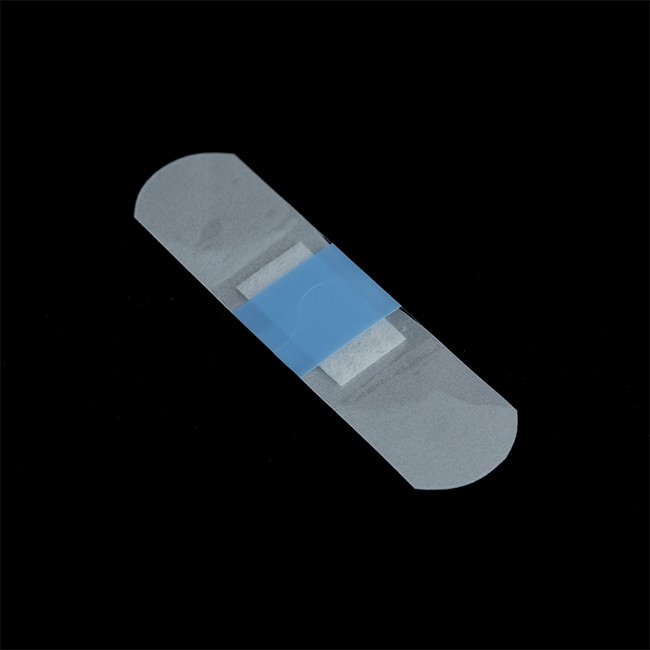
Start with the backing material. Nonwoven fabric offers breathability and suits sensitive skin. PE material provides a waterproof barrier for wet environments. Silk delivers high strength and secure adhesion for active users. You should also choose the adhesive type. Hypoallergenic adhesives minimize skin irritation for patients with allergies. Zinc oxide adhesives provide strong, long-lasting fixation for general use.
Next, decide on size, shape, and absorbency. Standard shapes include strips, dots, and squares. Absorbency matters for wound care products. You can select waterproof options for swimming or showering. Some buyers request natural ingredients like aloe vera or honey to promote healing. Some manufacturers offer first aid plaster products with hypoallergenic adhesives and natural ingredient options.
Packaging and branding requirements deserve early attention. Custom printing lets you display your logo and product information. Cartoon patterns appeal to children and parents in pediatric markets. You should finalize these design elements before requesting samples. This approach ensures the supplier understands your full vision from the start.
Sterilization protects patients from infection. Ethylene oxide (EO) sterilization meets international standards for medical devices. You must confirm that your supplier uses a validated EO process. This step ensures product safety and regulatory compliance.
Target market certifications vary by region. ISO 13485 proves the manufacturer follows a quality management system for medical devices. CE marking allows sales in the European Union. FDA registration permits entry into the United States market. BSCI certification demonstrates ethical and social compliance. A qualified manufacturer should operate under an ISO 13485 system and use EO sterilization that meets international standards. You should request copies of all relevant certificates before you proceed. Verify each document with the issuing body when possible.
You now have clear specifications in hand. The next step is finding suppliers who can actually meet them. This stage separates serious manufacturers from trading companies and outright scammers.
Online B2B platforms are a common channel for finding Chinese suppliers. Some platforms cater to higher-volume buyers. Industry directories list manufacturers by category. Trade fairs let you meet factory representatives face to face. Each channel has strengths. Online platforms offer convenience and comparison tools. Trade fairs provide direct interaction and physical product inspection.
You should gather a broad list first. Then narrow it down systematically. Check the business license of every candidate. Confirm export qualifications and years in business. Read customer reviews carefully. Look for patterns in complaints, not just star ratings. Request certificates including ISO 13485, FDA, CE, and BSCI.
Several established manufacturers appear in search results. Some offer OEM and ODM services, and some hold ISO 13485 certification. Claims about ranking among top wound dressing manufacturers should be verified independently. These examples show the range of suppliers available. You should still verify every claim independently.
Watch for red flags during screening. A supplier with no business license cannot legally export. Vague certificates without numbers or issuing bodies signal trouble. Poor communication before a sale predicts worse communication after payment. Unusually low prices often mean substandard materials or skipped sterilization. Trust your instincts when something feels wrong.
Certificate verification protects your business from regulatory rejection and liability. You must go beyond accepting a PDF at face value. The table below shows common red flags and what you should request instead.
Certificate red flag | What to verify |
|---|---|
ISO 13485 missing scope, issuer, or expiry date | Request the original PDF with full scope statement, issuing body, and expiry date |
FDA registration treated as FDA approval | Request the FDA registration number and confirm the listing versus approval distinction |
Self-published CE/FDA/ISO claims without documents | Demand certificate numbers, expiry dates, and factory floor video |
No recent audit trail | Request a recent third-party audit report from SGS, Intertek, or BSCI/SMETA |
Additional warning signs deserve your attention. Expired or withdrawn certificates remain a frequent problem. Suppliers may keep referencing CE certificates after expiry or withdrawal. Always verify current status with the Notified Body or EUDAMED. Certificates from non-designated bodies also appear in the market. Check NANDO to confirm the body is designated for medical devices. Mismatched product scope is another risk. A certificate may cover one device but get used for a different first aid plaster outside its scope. A missing or incomplete Declaration of Conformity is a serious gap. The DoC is mandatory and must reference the relevant EU MDR, list the manufacturer and device, and include Notified Body details for higher-class devices. Unverifiable certification claims such as "obtained certificate of American FDA and European CE" without certificate numbers are red flags. So are claims of instant CE certification.
You cannot judge quality from a catalog photo or a price quote. You must test physical samples and verify factory conditions with your own eyes. This stage reveals whether a supplier can deliver consistent, medical-grade products at scale.
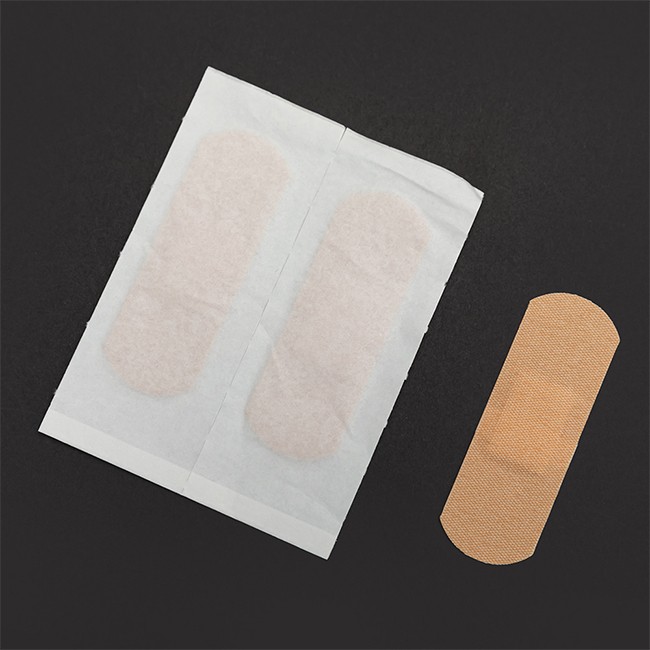
Ask every shortlisted supplier for free samples before you discuss pricing. Test adhesion by applying the plaster to clean, dry skin and leaving it in place for the intended wear time. Check hypoallergenic properties by reviewing material safety data sheets and confirming the adhesive composition. Measure peel strength with standardized methods. The industry recognizes several test protocols for this purpose. ASTM D3330 is the standard test method for measuring peel force of adhesive bandages. Dedicated peel rigs, including a 180-degree Peel Rig and a Universal Peel Rig, measure peel adhesion properties according to ASTM, ISO, and FINAT methods. You should request test reports that cite these specific standards.
Packaging integrity matters as much as the plaster itself. Inspect seals, peel-open features, and printed lot numbers. Confirm sterilization validation with a certificate of analysis for each batch. Third-party lab reports for biocompatibility and sterility are non-negotiable. These documents prove the product will not harm patients and will pass regulatory review in your target market.
Schedule a video call or an in-person visit with every finalist supplier. A factory tour shows you what a certificate cannot. Verify the cleanroom classification and observe how workers handle materials. Check the ethylene oxide sterilization process and confirm the supplier follows validated cycles. Review the quality management system documentation. Ask to see batch records, non-conformance reports, and corrective action logs.
A capable factory should be able to document its daily output for first aid plasters and medical tape. Its EO sterilization should meet international standards. You should expect this level of transparency from any supplier you consider. A factory that hesitates to show its production floor or sterilization area raises immediate concern.
Use this table to organize your audit findings:
Audit item | What to verify |
|---|---|
Cleanroom | Classification level, entry procedures, environmental monitoring records |
EO sterilization | Validated cycle parameters, residual testing, batch release criteria |
Quality system | ISO 13485 scope, internal audit schedule, CAPA process |
Production capacity | Daily output figures, lead time commitments, equipment maintenance logs |
A supplier who welcomes your audit and answers every question directly earns your trust. One who deflects or delays does not.
You have verified certificates and passed sample tests. Now you must settle commercial terms before you commit money. Clear terms protect both parties and prevent disputes later.
Ask every supplier for their minimum order quantity in writing. MOQs vary by product type, so confirm whether custom printing remains available at the quoted volumes. You should confirm lead times for production and shipping. Standard payment terms include T/T with a deposit or a letter of credit. Request an inspection clause that lets you reject non-conforming batches. Ask about after-sales support and replacement policies for defective units.
Collect quotes from several suppliers. Compare unit prices, tooling fees, and shipping costs side by side. Verify references by contacting past buyers in your region. Shortlist several suppliers who meet your technical and commercial requirements. Place a small trial order before you commit to bulk production. A trial order reveals how a supplier handles communication, packaging, and deadlines under real conditions.
Use this checklist before you sign a contract:
Decision item | What to confirm |
|---|---|
Compliance proof | Valid ISO 13485, CE, FDA, or BSCI certificates |
Sample testing | Adhesion, peel strength, sterility, and packaging results |
Commercial terms | MOQ, price, lead time, payment method, inspection rights |
Communication | Response speed, transparency, willingness to solve problems |
A supplier who passes all four categories earns your business. One who fails any category does not. Start small, measure results, and scale only when quality stays consistent across multiple orders.
A reliable first aid plaster supplier proves compliance, passes your sample testing, and meets your commercial terms with transparent communication. Start with a small trial order to confirm quality and responsiveness. Scale your purchases only after consistent results and clear communication across multiple orders.
Short answers to the most frequent sourcing questions appear below.
Require CE marking under the MDR for European sales. Confirm FDA registration for United States entry. ISO 13485 certification proves a solid quality management system. Request copies of every certificate. Verify each document with the issuing body.
No. Unusually low prices signal substandard materials or skipped sterilization. Medical-grade first aid plaster production costs money. Compare quotes from several suppliers. Request a cost breakdown for prices far below market average.
Request the original PDF. Check scope, issuer, and expiry date. Confirm FDA registration numbers are listed, not approved. Verify NANDO for European notified bodies. You should ask for third-party audit reports from SGS or Intertek as additional proof.
A video call works initially. Tour the cleanroom. Watch how workers handle materials. Ask to see the EO sterilization area. You should schedule an in-person visit before a large order.

Whatsapp: +86-13506126583
E-mail: davylee@operson.cn
tommy@operson.cn
ADD: No. 1 Qingyun Road, Niutang Town, Wujin District, Changzhou City, Jiangsu Province, China


