

A nonwoven wound dressing is a specialized medical pad made from fibers bonded thermally, mechanically, or chemically without traditional weaving. You experience superior breathability, flexibility, and fluid management compared to standard woven gauze.
Dressing Type | Non-Woven Layer Count | Equivalent Woven Gauze Layer Count | Performance Level |
|---|---|---|---|
Standard Non-Woven | 3-ply | 8-ply | Equal absorbency |
Premium Non-Woven | 4-ply | 12-ply | Equal or superior absorbency |
These dressings rapidly absorb exudate, block bacterial contamination, and protect delicate tissues during dressing changes. Modern solutions like the Operson Wound Dressing use advanced engineering to enhance your comfort and overall clinical recovery.
Nonwoven dressings offer higher absorbency, better flexibility, and lower linting than traditional woven gauze.
A superabsorbent core locks fluid away from the skin while a special bottom layer ensures pain-free removal.
Hypoallergenic materials and certified safety standards protect sensitive skin and support faster, comfortable healing.
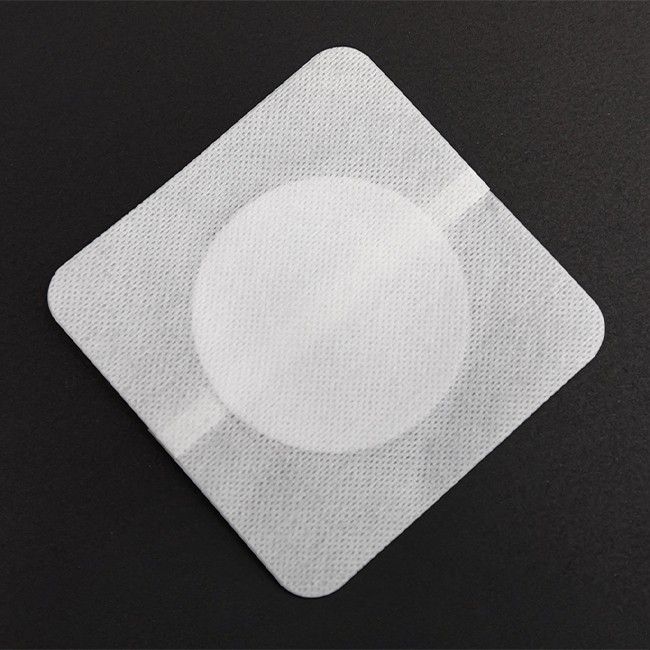
Modern medical science creates advanced dressing materials by bonding synthetic or natural fibers together directly. Instead of weaving traditional yarns, manufacturers join fibers using heat, chemicals, or mechanical pressure. This process builds a strong nonwoven wound dressing matrix that maintains exceptional structural integrity while remaining soft and elastic.
The table below shows the primary bonding techniques that construct these advanced fiber pads:
Bonding Method Category | Specific Technique | Mechanism of Action | Application in Medical Field |
|---|---|---|---|
Mechanical Bonding | Hydroentanglement (Spunlacing) | Entangles fibers using high-pressure water jets to form high-loft, fluid-retentive webs | Components for absorbent wound dressings |
Mechanical Bonding | Needle-Punching | Mechanically interlocks staple fibers utilizing barbed needles to create thick, felt-like matrices | Wound dressings, orthopedic padding, and implant scaffolds |
General Nonwoven Bonding | Thermal / Chemical / Mechanical | Bonds web structures via thermal fusion, chemical binders, or mechanical entanglement | Standard fabrication of nonwoven medical sheets and webs |
You gain several clinical benefits from this bonded fiber structure. The matrix stretches easily over your joints and contoured body parts. It keeps its shape during movement, so your wound stays fully protected.
The center of a high-performance dressing features a specialized superabsorbent core. This core rapidly draws liquid vertically away from your skin instead of spreading fluid sideways.
The superabsorbent polymer locks exudate away through a specific three-step chemical process:
Osmotic Pressure Generation: Internal sodium ions and carboxylate functional groups establish a strong osmotic gradient that draws liquid directly into the polymer matrix.
Hydrogen Bond Formation: Anionic carboxylate sites interact with water molecules, establishing multiple hydrogen bonds to secure the fluid at the molecular level.
Network Expansion and Fluid Locking: A crosslinked three-dimensional polymer lattice expands into a durable gel, holding and retaining the exudate even under physical compression.
Key Takeaway for Pain-Free Healing
Modern dressings include a low-adherent wound contact layer directly beneath the absorbent core. This layer peels away smoothly without sticking to new tissue, preventing skin maceration, reducing dressing change pain, and keeping the wound bed safely moist.
You need proper air circulation for fast recovery. The open matrix of bonded fibers allows oxygen and vapor to pass through freely. High breathability prevents sweat and moisture buildup underneath the pad, lowering your risk of skin breakdown.
Traditional woven gauze often sheds loose threads into delicate tissue. Bonded nonwoven pads eliminate loose threads entirely.
Minimal Linting: You protect your wound from stray fiber contamination.
Enhanced Flexibility: You bend your limbs naturally without displacing the pad.
Superior Fluid Control: Advanced products like the Operson Wound Dressing combine ultra-thin superabsorbent pads with breathable outer layers to deliver maximum comfort.
You want a dressing that protects your body without causing extra discomfort during changes. Advanced nonwoven material options protect fragile new skin cells and preserve delicate nerve endings.
A low-adherent wound contact layer sits directly against your skin. This specialized layer forms a smooth barrier between your wound and the absorbent core.
Feature / Mechanism | Impact on Tissue Trauma | Impact on Pain Score |
|---|---|---|
Specialized Protective Barrier (e.g., synthetic coating) | Prevents dressing fibers from bonding with or becoming embedded in blood, exudate, scabs, or fragile new tissue cells. | Eliminates the need for painful peeling or forced mechanical separation during dressing changes. |
Non-Stick Removal Interface | Lifts cleanly away from the wound bed without tearing away newly formed epithelial cells or re-damaging the healing wound. | Minimizes discomfort and sensory pain triggers by allowing gentle, effortless removal without disturbing sensitive nerve endings. |
You experience a smooth, gentle transition during dressing changes. The pad peels off clean without pulling at your healing skin.
Your body features curved areas and flexible joints. Soft nonwoven fabrics stretch easily across challenging anatomical contours like your shoulders and axillae.
Smart Design for Active Recovery
Flexible pads bend naturally with your daily movements. You can comfortably combine this dressing with compression therapy without creating painful pressure points.
Your skin safety remains a top priority. Manufacturers select medical-grade adhesives to protect sensitive or delicate skin.
Medical-grade adhesives demonstrate compliance with ISO 10993-10 standards by passing evaluations as non-irritating and hypoallergenic. Safety testing covers three key areas:
Primary Skin Irritation: Assesses immediate surface skin reactions.
Sensitization Testing: Evaluates potential allergic responses over time.
Cumulative Wear Impact: Measures the effects on skin integrity during prolonged continuous contact.
You avoid uncomfortable redness, rashes, and allergic reactions during long-term treatment.
You receive high-performance care with trustworthy medical solutions like the Operson Wound Dressing. Changzhou Operson Medical Devices Co., Ltd. manufactures these products under strict global safety protocols.
The manufacturing facility holds prestigious certifications:
EU Quality Assurance Certificate (MDR)
CE Mark Compliance
ISO 13485 Medical Device Quality Management Certification
ISO 9001 Quality Management Certification
These international certificates guarantee dependable fluid control, sterile protection, and high manufacturing quality.
You can select exact dimensions for your specific injury. Standard pad dimensions range from 5x7.5cm up to 10x35cm. You can also obtain custom shapes for specialized clinical needs. A quality nonwoven wound dressing provides the flexibility, comfort, and protection you need for a fast recovery.
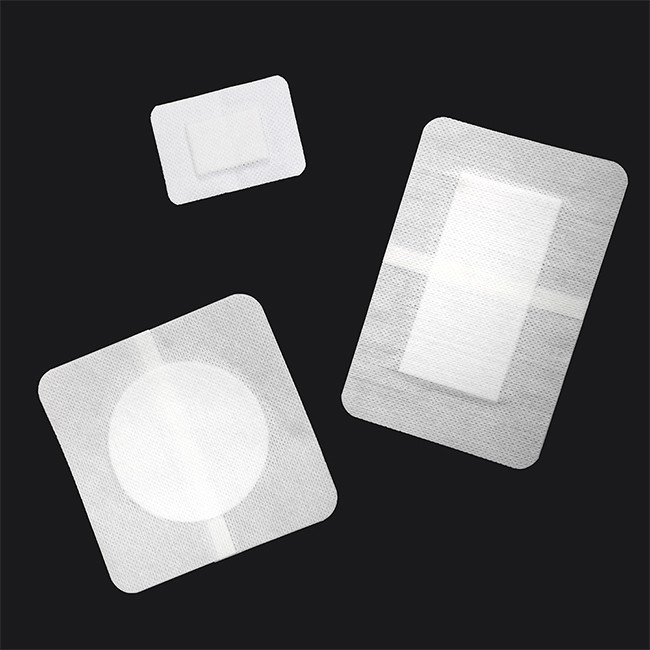
You can apply a nonwoven wound dressing directly over surgical cuts to speed up your recovery. The flexible material shields clean post-operative closed wounds from harmful bacteria and outer impacts. Doctors also choose these dressings to protect delicate skin grafts and donor sites. The smooth pad covers fresh surgical tissue gently without pulling on your incision during movement.
Stubborn injuries require continuous fluid management to heal properly. You can manage heavy fluid buildup easily when treating chronic pressure ulcers and leg sores.
Optimal Exudate Control
High-absorption pads pull excess liquid straight into their inner core. This process locks fluid away and keeps the skin around your wound dry and healthy.
The dressing keeps your wound bed nicely moist while preventing uncomfortable skin breakdown. You maintain ideal healing conditions throughout long-term recovery.
You can use these versatile pads to treat everyday minor injuries. They protect minor burns, heat scalds, and superficial cosmetic wounds effectively.
The extra soft texture provides gentle care for sensitive patients:
Pediatric Care: Protects delicate skin on active children.
Elderly Care: Prevents skin tears on fragile, aging skin.
Cosmetic Care: Shields delicate facial areas after minor procedures.
Dependable products like the Operson Wound Dressing support delicate skin barriers while ensuring a safe, painless recovery.
Nonwoven wound dressings represent a major step forward from traditional woven gauze. You gain superior absorbency, exceptional flexibility, and skin-friendly protection. Trusted solutions like the Operson Wound Dressing rapidly lock away exudate, safeguard your healing wound bed, and guarantee painless removal.
Take Action for Optimal Healing
Choose certified, high-performance dressings today to ensure safe recovery and maximum comfort.
Gentle Protection
Nonwoven wound dressings feature a low-adherent contact layer. This smooth barrier stops the pad from sticking to your healing tissue, ensuring effortless and pain-free removal.
Yes! Products like the Operson Wound Dressing use hypoallergenic, medical-grade adhesives. You can safely apply these gentle dressings on delicate skin without causing redness or irritation.
Nonwoven dressings offer superior absorbency, higher breathability, and zero loose lint. You enjoy flexible, comfortable protection that locks fluid away and speeds up your overall recovery process.

Whatsapp: +86-13506126583
E-mail: davylee@operson.cn
tommy@operson.cn
ADD: No. 1 Qingyun Road, Niutang Town, Wujin District, Changzhou City, Jiangsu Province, China


