

You stand in your bathroom, fumbling with a roll of tape to hold a gauze pad on your child's scraped knee. Later that week, you watch a nurse in a hospital secure a dressing after surgery. Both use tape, but are they the same product?
Here is the core distinction. Medical tape is a broad category for general securing of dressings and devices. Surgical tape is a sterile, specialized subset used in surgical and clinical wound care settings.
Are they actually different, or just different names for the same thing? Understanding this difference matters for proper wound care, infection prevention, and choosing the right product.
Medical tape holds dressings on intact skin. Surgical tape protects surgical wounds from infection.
Surgical tape is always sterile. Medical tape may be non-sterile for everyday use.
Choose tape adhesion strength carefully: light for daily care, strong for post-surgery fixation.
Match tape to skin sensitivity. Hypoallergenic options reduce irritation for fragile skin.
Medical tape is a versatile adhesive. You use it for general securement on intact skin. This type of tape holds dressings, bandages, and medical devices in place. You may find rolls of it in a home first aid kit. Hospitals also stock it for routine care. Not all medical tape is sterile. And not all of it is surgical tape. This distinction matters when you choose a product.
You rely on this adhesive for many everyday tasks. You secure a gauze pad over a small cut. You fix an IV line to a patient's arm. You hold a bandage in place after a blood draw. Each use requires the tape to adhere well but remove cleanly. The primary goal is comfort and reliable fixation. You can use it in home settings or outpatient clinics. It works for both short-term and longer-term needs.
You can select a medical tape based on the material. Each option serves a different purpose:
Nonwoven fabric tape: You use this for sensitive skin. It is breathable and gentle.
PE tape: This plastic tape is waterproof. You can shower or swim without removing it.
Silk tape: This offers stronger adhesion. You use it on joints or areas with movement.
Zinc oxide tape: This provides extreme hold. It works well for athletic taping but can irritate skin.
You also find hypoallergenic options for sensitive skin. Operson's medical tape line includes all these materials. Their adhesives minimize skin reactions. You can match the tape to your specific needs.
Surgical tape is a specialized, sterile subset of medical tape. You see it in operating rooms, post-operative care units, and clinical wound care settings. Its primary job is infection prevention. Manufacturers sterilize surgical tape to eliminate microorganisms. This step matters when you apply tape near an open wound or a surgical incision. A non-sterile roll could introduce bacteria to a vulnerable site.
You use surgical tape for post-operative and surgical procedures. It typically offers higher adhesion than general-purpose tape. This stronger hold keeps dressings secure during patient movement. You also find lightweight, breathable surgical tapes. These products provide gentle fixation on sensitive or fragile skin. They protect the wound without causing further damage.
Surgical tape must meet specific performance requirements. These standards ensure both secure fixation and skin safety. The table below shows typical values you can expect from quality surgical tape products.
Performance Requirement | Typical Value / Standard | Clinical Relevance |
|---|---|---|
Moisture Vapor Transmission Rate (MVTR) | ≥ 500 g/m²/24 h | Reduces maceration; maintains skin integrity |
Peel Adhesion (to skin) | 0.3 – 0.6 N/cm | Secures dressings without epidermal stripping |
Tensile Strength | ≥ 20 N/25 mm | Maintains integrity during patient movement |
Water Resistance | Maintains adhesion after 1 h immersion | Suitable for bathing and high-humidity wards |
Elongation at Break | ≥ 200% | Conforms to joints and curved anatomy |
Bi-directional Tear | Hand-tearable (longitudinal & transverse) | Enables quick sizing without scissors |
The plastic film backing creates a smooth, water-resistant surface. This surface repels liquids. Microperforations allow moisture vapor to escape from the skin. This design dramatically reduces maceration risk during extended wear. A hypoallergenic acrylic adhesive completes the construction. You can observe wound sites without removing the tape. This advantage helps greatly in post-surgical monitoring.
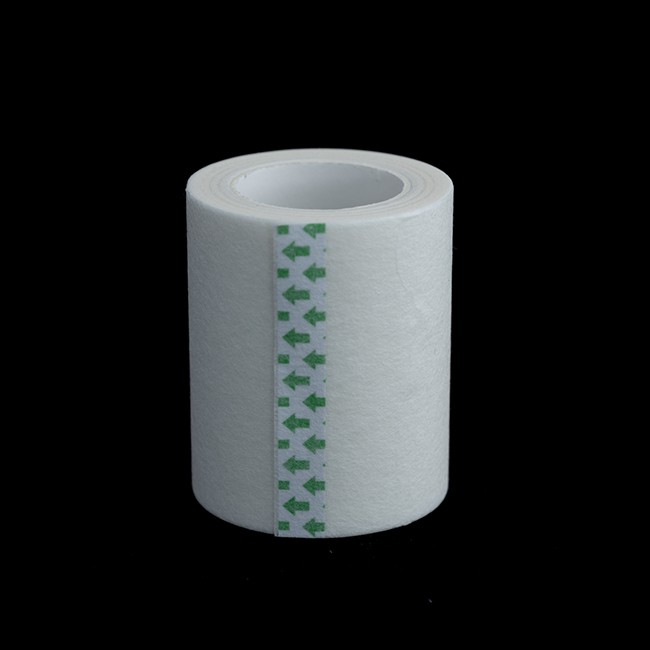
You hear people use these two terms interchangeably. A nurse might ask for surgical tape. A caregiver at home might reach for medical tape. The words sound similar. The products often look alike on the shelf. However, a clear difference exists between them.
Medical tape serves as a general-purpose tool. You use it to hold gauze, secure IV lines, or fix a bandage. The main goal is comfort and reliable fixation. Airflow matters greatly here. You want the skin underneath to breathe. This tape prioritizes breathability and gentle removal.
Surgical tape focuses on a different mission. Infection prevention drives its design. You apply it after surgery or on a wound that needs sterile protection. Secure fixation becomes critical. The tape must stay in place during patient movement. It also needs to resist moisture and fluids.
Adhesion strength differs between the two. Surgical tape typically offers higher adhesion. The peel adhesion to skin ranges from 0.3 to 0.6 N/cm. This range secures dressings without stripping the epidermis. Tensile strength reaches at least 20 N/25 mm. This strength maintains integrity during movement. Medical tape often has lighter adhesion. You can remove it without pulling on tender skin.
The table below shows a direct comparison.
Feature | Medical Tape | Surgical Tape |
|---|---|---|
Purpose | General securement of dressings and devices | Post-operative and surgical wound care |
Sterility | Can be sterile or non-sterile | Always sterile |
Adhesion Strength | Light to moderate | Moderate to high |
Materials | Nonwoven, PE, silk, zinc oxide | Plastic film, nonwoven, silk |
Breathability | High airflow for comfort | Controlled MVTR (≥ 500 g/m²/24 h) |
Cost | Lower cost per roll | Higher cost due to sterilization |
Sterility marks the most important difference. Surgical tape undergoes sterilization to eliminate microorganisms. You apply it near open wounds or incisions. A non-sterile roll could introduce bacteria to a vulnerable site. Medical tape does not always carry this guarantee. You use it on intact skin or for short-term fixation.
Skin safety matters for both products. Medical tape prioritizes airflow and comfort. Breathable nonwoven fabrics suit sensitive skin. Hypoallergenic adhesives minimize irritation. You can wear this tape for extended periods with less risk of reaction.
Surgical tape also protects fragile skin. Some surgical tapes are lightweight and breathable. They provide gentle fixation on sensitive or fragile skin. The plastic film backing repels liquids. Microperforations allow moisture vapor to escape. This design reduces maceration risk during extended wear. A hypoallergenic acrylic adhesive completes the construction.
You must match the tape to the task. Medical tape works well for everyday needs. Surgical tape provides the sterility and secure hold that high-risk wound care demands. Choosing the wrong product can cause skin irritation or compromise healing. Always check the label for sterility, material, and intended use before you apply any tape.
You reach for medical tape in many everyday situations. A scraped knee needs a gauze pad held in place. A small cut on your finger needs a fresh bandage. These moments call for a gentle, breathable tape that removes without pulling at tender skin.
Common home first aid scenarios include:
Everyday cuts and scrapes: tape secures gauze pads over minor wounds.
Securing dressings and gauze: tape keeps wound coverings stable and in place.
Blister prevention and protection: tape prevents and protects blisters during sports or hiking.
Immobilizing small injuries: tape works for buddy wrapping fingers or toes.
Supporting joints: elastic tape supports strains and sprains.
Home emergencies: first aid bandage tape handles unexpected situations.
Outpatient clinics follow similar logic. Nurses secure IV lines, hold monitoring leads, and fix light dressings. The goal stays the same: reliable fixation with minimal skin stress.
Surgical tape becomes necessary in very different settings. You need it after an operation, when a sterile barrier protects an incision. You need it on sensitive or fragile skin, where standard adhesion could tear the surface. You need it in high-risk wound care, where infection prevention drives every choice.
Consider a patient recovering from abdominal surgery. The dressing must stay sealed during movement, coughing, and bathing. A sterile surgical tape with higher adhesion and water resistance meets that demand. Now picture an elderly patient with thin, paper-like skin. A lightweight, breathable surgical tape provides gentle fixation without stripping the epidermis.
Choosing the wrong tape can cause real harm. A non-sterile roll near an open wound may introduce bacteria. An aggressive adhesive on fragile skin can cause irritation or tears. Either mistake compromises wound healing and delays recovery. Always match the tape to the task, the skin, and the risk level.
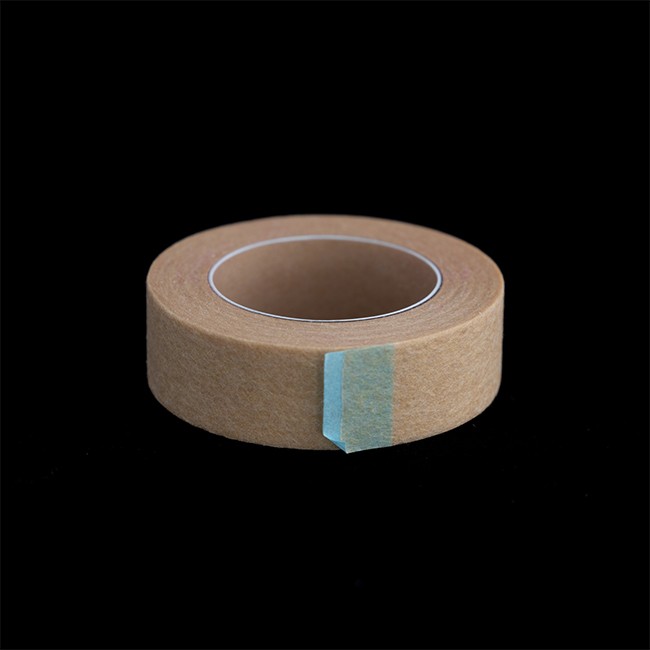
You see steady improvement in how tape sticks to skin and comes off again. Manufacturers now engineer hypoallergenic adhesives that reduce allergic reactions. Waterproof designs keep dressings secure during showering or swimming. Some products infuse natural ingredients like aloe vera or honey to soothe the skin and support healing. These advances help you care for wounds with less worry about irritation.
The market reflects this momentum. Analysts expect strong growth across the sector.
The Athletic Medical Tape market is projected to exhibit a favorable compound annual growth rate (CAGR) of approximately 5% from 2023 to 2030.
That growth pushes companies to invest in better materials. You benefit from tapes that hold firmly yet remove gently. Breathable backings and skin-friendly adhesives now appear in both clinical and home care products.
Brands increasingly want tape that carries their own identity. Original equipment manufacturer services make this possible. You can order products tailored to your exact needs.
Provides comprehensive OEM services for medical tape and dressing production.
Offers private-label printing and packaging design, with brand logo and packaging artwork applied on release liners, core labels, and boxes.
Provides customized non-woven or PE film printing for brand logos, usage marks, or pattern decoration.
Operson's Medical Tape & First Aid Plaster line shows how this works in practice. The company offers custom sizes, shapes, packaging designs, and printed patterns, such as cartoon motifs for children. All products come from an ISO 13485 quality system and undergo EO sterilization. Production capacity reaches 850,000 first aid plasters and 30,000 rolls of medical tape daily. Competitive minimum order quantities, like 5,000 pieces for plasters, keep bulk orders accessible.
Demand keeps rising for eco-friendly and skin-friendly options. Hospitals, pharmacies, and retail brands all seek products that protect patients and the planet. Customization lets you meet that demand without sacrificing safety or performance.
Medical tape covers a general category of adhesives for everyday dressings and device securement. Surgical tape is a sterile, gentler subset designed specifically for surgical and sensitive wound care.
This distinction directly affects patient safety and healing outcomes. The wrong choice can introduce infection or strip fragile skin. You must check product labels for sterility, material, and intended use before applying any tape.
Tape technology continues to advance each year. New hypoallergenic adhesives reduce skin irritation during removal. Breathable backings improve patient comfort during extended wear. These innovations help you deliver better care with less risk of skin damage.
Yes, you can use surgical tape for general tasks. It offers sterility and strong adhesion. However, you pay more for these features. For everyday dressing changes on intact skin, standard medical tape works well and costs less.
No, medical tape comes in both sterile and non-sterile forms. You use non-sterile tape on intact skin for routine securement. Surgical tape always undergoes sterilization. Check the label before you apply any tape near an open wound.
You want a gentle, breathable option for sensitive skin. Nonwoven fabric tape with hypoallergenic adhesive minimizes irritation. Some lightweight surgical tapes also provide gentle fixation. Look for products labeled for fragile or sensitive skin.
Surgical tape costs more because of sterilization. The manufacturing process eliminates microorganisms. This step adds expense. You also pay for higher adhesion and specialized materials. These features protect surgical sites from infection.
Many medical tapes tear by hand. Nonwoven and silk options often tear cleanly in both directions. Some plastic tapes require scissors. Check the product description before you buy. Hand-tearable tape saves time during dressing changes.

Whatsapp: +86-13506126583
E-mail: davylee@operson.cn
tommy@operson.cn
ADD: No. 1 Qingyun Road, Niutang Town, Wujin District, Changzhou City, Jiangsu Province, China


